Choosing a Medical Alert for an Aging Parent: A Practical Guide for New Zealand Families
When my father-in-law took a tumble in his garden last spring, my wife and I realised how fragile the line between independence and vulnerability can be. He had been adamant about staying in his own home, and we respected that. But the reality of a fall with no one around to help crystallised a conversation we had been avoiding: how do we keep him safe without moving him into a care facility? That is when we started looking into a proper medical alarm system.
The market for senior safety technology has grown considerably in recent years, and New Zealand families now have more options than ever. But with that choice comes confusion. Not every device works the same way, and not every monitoring service fits your situation. I want to walk through what I have learned so you can make an informed decision for your own family.
Understanding the Basics of a Medical Alert System
A medical alarm is essentially a wearable device paired with a monitoring service. You press a button, and help gets called. But the details matter a great deal. Some systems rely on a landline base station that only works inside the home. Others use cellular networks and GPS tracking, which means the pendant alarm works even if your loved one is out walking the dog or visiting a friend.
The term "Medical Alert" can refer to a whole category of products, but in practice it usually means a personal emergency response system. The core promise is simple: when something goes wrong, the wearer can summon help with a single press. For an older adult living alone, that peace of mind is enormous. For the adult child living in another city, it is often the difference between constant worry and measured confidence.
Key Features to Consider
Fall Detection
The most common emergency among seniors is a fall. If the person cannot reach the emergency button after a fall, the device must detect it automatically. Not all medical alarms include fall detection, and the accuracy varies. Some systems use accelerometers and gyroscopes inside the pendant, while others rely on motion sensors placed around the home. I have seen tests where a quality pendant alarm correctly distinguishes between a hard fall and bending over to tie a shoe. That distinction matters. You do not want false alarms, but you also do not want a missed fall.

GPS Tracking
For someone who still drives or walks independently, GPS tracking is a compelling feature. If a person with dementia wanders away from home, GPS tracking can help locate them quickly. The same technology also helps if a fall happens outside the house. In New Zealand, where many suburbs are spread out and public transport is limited, being able to pinpoint a location is a genuine safety net.
Two-Way Calling
When the emergency button is pressed, two-way calling lets the monitoring service speak directly to the wearer through a speaker and microphone built into the pendant or base station. That voice contact reassures the person that help is on the way, and it lets the operator assess the situation before dispatching emergency services. In my father-in-law's case, two-way calling meant he could tell the responder exactly where he was in the garden and what had happened, which saved time.
Battery Life and Waterproofing
A medical alarm is only useful if it is worn. If the battery dies after a few hours or the device cannot survive a shower, people stop using it. Look for a wearable device with a battery life measured in days, not hours. Many systems now use rechargeable batteries that last several days between charges, but some still use disposable cells that need replacing every few months. Waterproof rating is equally important. A pendant that cannot be worn in the shower is a pendant that will be left on the bathroom counter, which defeats the purpose. Most falls happen in the bathroom, so waterproofing is non-negotiable.
Monitoring Service vs. Family Monitoring
Traditional medical alarm services route all calls through a central call centre with 24/7 support. That is a proven model, but it comes with monthly fees that add up over time. Some families prefer a different approach: a system that alerts family members directly through a mobile app. That model eliminates the ongoing cost and keeps the response within the family circle. For many New Zealand families, the "no monthly fees" model is a major advantage. You pay once for the hardware, and the alerts go straight to a caregiver's phone. The trade-off is that the caregiver must be available to respond. If the caregiver works shifts or lives far away, a professional monitoring service might be the safer bet.
Familyr offers that family-monitored model with no monthly fees. The pendant communicates with a base station that can send alerts to up to five family members via the mobile app. The caregiver can see the alert, listen in through two-way calling, and decide whether to call emergency services or simply drive over and help. That approach gives the senior the security of a medical alert without locking the family into a subscription.
Real-World Considerations
I have heard from friends who bought a basic pendant alarm for their mother and found that she refused to wear it because it looked medical. That is a real barrier. The best device in the world does nothing if it stays in a drawer. Some newer pendants are designed to look like fashion accessories or simple jewellery. Others clip onto a belt or hang from a lanyard. The form factor matters as much as the technology.

Another practical detail is the range of the system. Some base stations cover only a few rooms. Others, especially those that use cellular networks rather than home phone lines, can work anywhere in the country. For a person who is still active and mobile, a system with GPS tracking and cellular range is far more useful than a landline-based unit.
Testing the system before committing is wise. Some companies offer a trial period. Use it. Try wearing the pendant for a full day, including showering and sleeping. Have a family member initiate a test alert to see how quickly the caregiver receives it. That hands-on test will reveal quirks that no brochure can capture.
The Role of the Caregiver
Being a caregiver for an aging parent is demanding. A reliable medical alarm does not replace the caregiver's role, but it does reduce the constant vigilance. Instead of calling every morning to check whether Mum is okay, the caregiver can trust that the pendant will send an alert if something goes wrong. That shift from reactive worry to proactive trust is a huge relief.
For the senior, the pendant alarm offers something equally valuable: the confidence to keep doing what they enjoy. My father-in-law now tends his garden knowing that if he falls again, help is a button press away. That freedom to age in place, on his own terms, is what makes a good medical alarm system worth every dollar.
Making Your Choice
Start by assessing the senior's lifestyle. Are they homebound or active? Do they live alone or with a spouse? Do they have a family member nearby who can respond quickly? The answers will guide you toward the right feature set. If they are active and live alone, prioritise GPS tracking, fall detection, and two-way calling. If they are mostly homebound with a family member close by, a simpler pendant alarm with family monitoring may be sufficient.
New Zealand has a few providers, but the market is not as crowded as in the United States. That means you can generally get good customer support and local advice. Check the battery life, the waterproof rating, and the range. Confirm whether the system uses a landline or a cellular connection. And always ask about the fall detection capability. Many systems claim it, but few do it well.
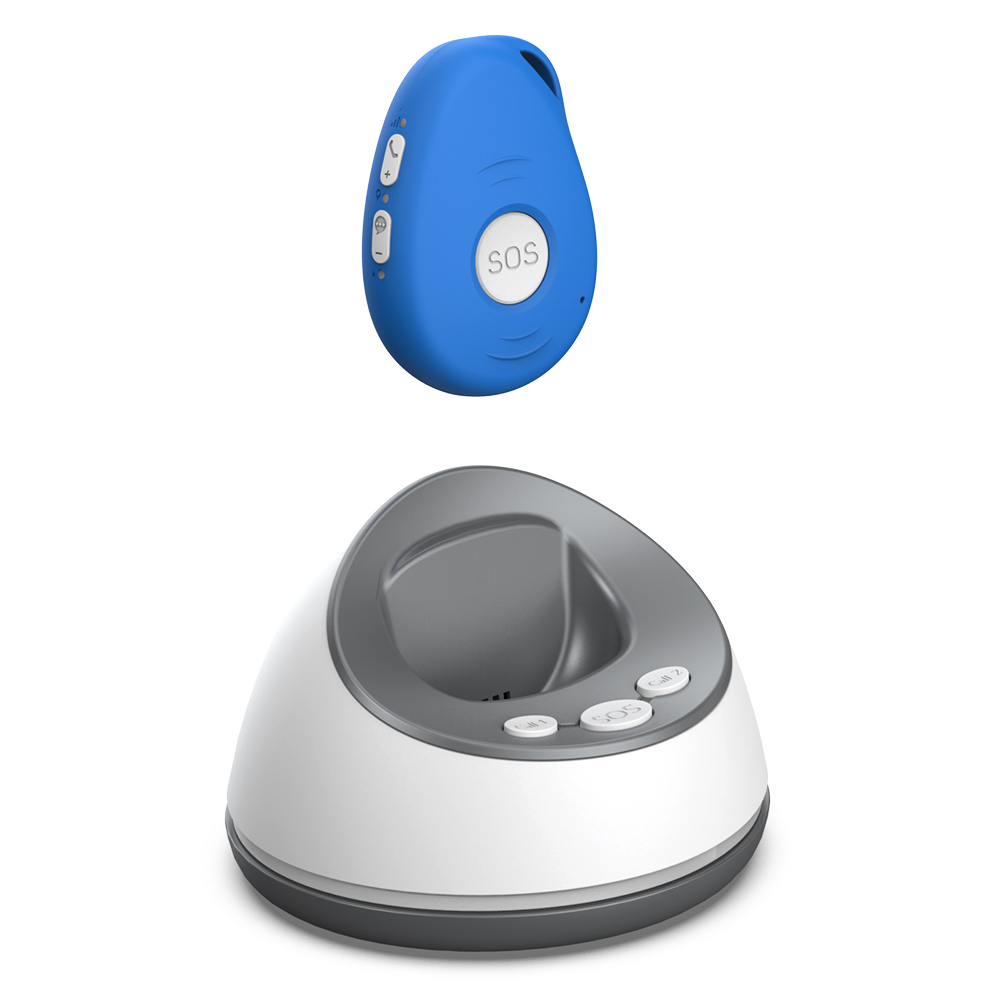
The best advice I can give comes from personal experience: involve the older person in the decision. Let them try a few pendants. Let them choose the colour and the wearing style. When they feel ownership over the device, they are far more likely to wear it consistently. And consistency is what makes a medical alarm a life-saving tool rather than an expensive gadget.
Ultimately, the goal is senior safety without sacrificing dignity. A good medical alarm system achieves that balance. It gives the older person the freedom to live independently and gives the family the peace of mind that comes from knowing help is always close at hand.